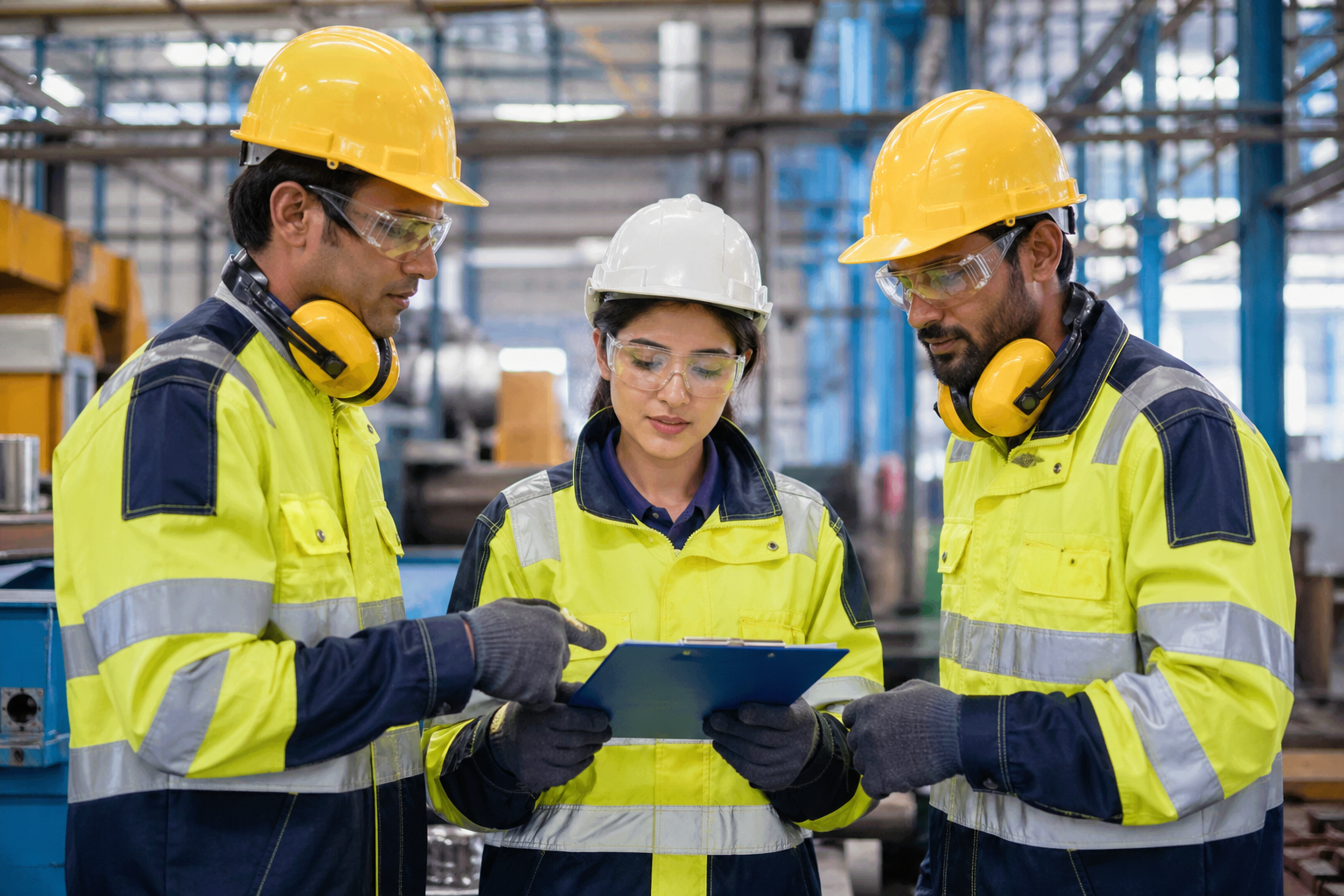
The safety of a workforce is the bedrock of any successful heavy industry operation. Whether it is a construction site, a chemical plant, or a manufacturing unit, the risks are real and constant. Protecting employees from thermal hazards, chemical splashes, or mechanical injuries is not just a regulatory hurdle; it is a moral and operational necessity. Choosing the right ppe clothing manufacturers can mean the difference between a minor incident and a life-altering accident.
When you look for a safety partner, the sheer number of options can be overwhelming. This guide breaks down the essential criteria for evaluating suppliers to ensure your team stays protected.
Understanding the Stakes in Heavy Industry
Heavy industries like oil and gas, metallurgy, and large-scale manufacturing face extreme conditions. Standard workwear often fails under the stress of high heat, corrosive chemicals, or heavy machinery. This is why specialized ppe clothing manufacturers focus on high-performance materials.
Failure to provide certified equipment leads to:
- Legal liabilities and heavy fines.
- Increased downtime due to injuries.
- Reduced morale among the workforce.
Key Criteria for Evaluating PPE Clothing Manufacturers
1. Verification of Safety Standards and Certifications
The most critical factor is compliance. Reliable PPE clothing manufacturers must adhere to national and international safety benchmarks. You should look for:
- ISO Certifications: ISO 9001 for quality management and ISO 45001 for occupational health and safety.
- Flame Resistance: Standards like NFPA 2112 or EN ISO 11611 for welding and flash fire protection.
- High Visibility: ISO 20471 for low-light environments.
- Chemical Resistance: EN 13034 or similar for liquid chemical protection.
Always request test reports from independent laboratories rather than relying solely on the manufacturer’s claims.
2. Manufacturing Capability vs. Trading
There is a big difference between a company that manufactures its own gear and one that simply trades in it. ppe clothing manufacturers with their own production facilities offer:
- Better quality control over every stitch and seam.
- The ability to customize gear for specific industrial needs.
- Greater consistency in fabric quality and sizing.
3. Material Quality and Ergonomics
Heavy-duty gear does not have to be heavy and stiff. If the clothing is uncomfortable, workers are less likely to wear it correctly. Evaluate the breathability and weight of the fabric. High-quality ppe clothing manufacturers use advanced textiles that offer maximum protection while allowing for ease of movement and thermal comfort.
4. Supply Chain Reliability
In a large-scale project, a delay in PPE delivery can halt operations. Assess the manufacturer’s lead times and their ability to handle bulk orders. A reliable partner should have a clear inventory management system to ensure that replacements are available when needed.
The Procurement Process: A Step-by-Step Approach
Step 1: Conduct a Hazard Assessment
Identify the specific risks of your site. Do you need protection against electric arcs, molten metal, or toxic dust? This assessment dictates the type of PPE required from ppe clothing manufacturers.
Step 2: Request Samples for Field Testing
Never buy in bulk without a trial. Give samples to your most experienced workers. Their feedback on fit, comfort, and durability in actual work conditions is invaluable.
Step 3: Analyze Long-Term Value
While the initial price is important, look at the “cost per wear.” Durable clothing from reputable ppe clothing manufacturers lasts longer through industrial wash cycles, making it cheaper over time than low-quality alternatives that need frequent replacement.
Why Choose Armstrong Products?
At Armstrong Products, we understand that heavy industry demands more than just basic coverage. As experienced ppe clothing manufacturers, we provide a comprehensive range of safety gear designed for the toughest environments. From flame-resistant suits to specialized industrial uniforms, our focus is on keeping your workforce safe without compromising on comfort.
Our products undergo rigorous testing to ensure they meet the safety standards required for modern industrial operations. We work closely with procurement managers to provide solutions that are both cost-effective and highly reliable.
Conclusion
Selecting PPE clothing manufacturers is a decision that impacts the well-being of your employees and the stability of your business. By focusing on certifications, manufacturing transparency, and worker comfort, you can build a safety culture that truly protects.
If you are looking for high-quality industrial safety solutions, explore our full range of protective equipment today. Secure your site with gear that works as hard as your team does.
FAQs
How does a well-designed conveyor system improve warehouse efficiency?
A well-designed conveyor system minimizes manual handling. This reduces the time spent moving items from one point to another. By automating the flow of goods, businesses can maintain a steady pace of operations and reduce human error. Efficient layouts ensure that every square foot of the warehouse is used effectively.
What are the different types of conveyor systems available for industrial use?
There are several types of systems depending on the load and the environment. Common options include roller conveyors for heavy boxes, belt conveyors for varied shapes, and overhead conveyors for space-saving vertical transport. Specialized systems like slat or modular conveyors are also used for specific manufacturing needs.
How do I choose the right for my business?
Choosing the right requires looking at your specific load requirements, the weight of the items, and the speed of your production line. You should also consider the environment, such as temperature or humidity. Consulting with a technical expert helps ensure that the you select integrates with your existing machinery.
Can conveyor systems be customized for small spaces?
Yes. Modern material handling solutions are highly modular. Systems can be designed with curves, inclines, and declines to fit into tight floor plans. Using vertical space with spiral conveyors or overhead tracks allows businesses to expand their capacity without needing a larger building footprint.
What safety features should a modern have?
Safety is a priority in material handling. A high-quality should include emergency stop buttons at accessible intervals, side guards to prevent items from falling, and sensors to detect blockages. Training staff on how to operate the safely is also a vital part of workplace safety protocols.