
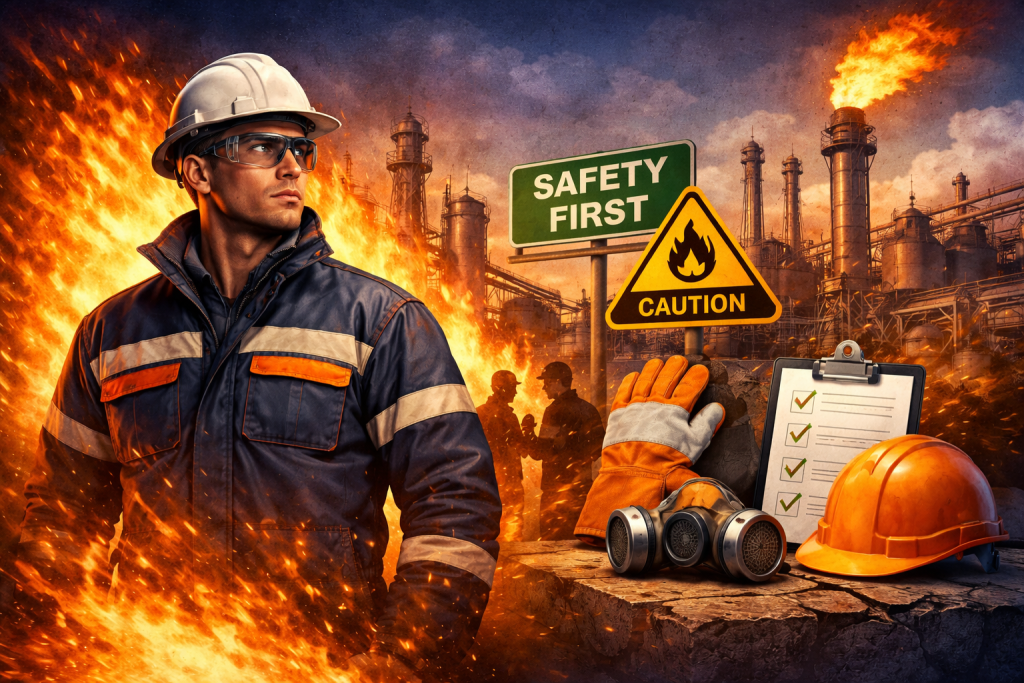
In industries where fire hazards, chemical spills, and high-risk operations are common, protective clothing and equipment are not optional—they’re essential. Ensuring that workers have the right gear helps prevent injuries, maintain productivity, and build a culture of safety.
With stricter workplace regulations and safety audits becoming more frequent, many companies are asking: How can businesses meet safety standards while keeping employees protected and compliant?
Making the right choices in protective gear safeguards lives, reduces operational risks, and keeps the organization aligned with legal requirements.
Industrial Safety Compliance: Understanding the Basics
Industrial safety compliance refers to adhering to national and international safety laws, standards, and regulations for workplace protection.
Companies in manufacturing, chemical, oil and gas, and construction sectors must follow strict guidelines to ensure employees are protected with certified industrial safety clothing and industrial safety wear.
Failing to comply can lead to penalties, accidents, and operational disruptions.
Key Workplace Safety Laws Related to Fire Resistant Clothing
What Laws Govern Industrial Safety Compliance?
Several Indian and international regulations govern industrial safety compliance, specifically regarding fire resistant clothing:
- Factories Act, 1948 – mandates protective clothing and safety measures in factories.
- Occupational Safety and Health Regulations – OSHA-aligned rules for industrial workplaces.
- BIS Standards – Bureau of Indian Standards specify fire-resistant materials for industrial use.
- ISO 11612 & ISO 11611 – international standards for heat and flame-resistant clothing.
Adhering to these laws ensures businesses meet industrial safety compliance standards and protect their workforce effectively.
Why Fire Resistant Clothing is Essential for Industrial Safety Compliance
How Does Fire Resistant Clothing Enhance Compliance?
Industrial safety clothing is a key component of industrial safety compliance. It provides protection against:
- Flame exposure
- High heat environments
- Electrical arcs
- Hot sparks from welding or machinery
Using certified PPE for industrial safety like fire-resistant jackets, pants, and vests ensures workplaces meet regulatory standards and reduce accident risks.
Common Requirements for Fire Resistant Clothing Under Workplace Safety Laws
What Are the Legal Standards for Industrial Safety Wear?
To comply with workplace safety laws, industrial safety wear must meet:
- Flame resistance certifications (ASTM, BIS, ISO)
- Proper labeling and testing records
- Coverage of vulnerable areas like torso, arms, and legs
- Compatibility with other PPE, such as gloves, helmets, and goggles
Employers must maintain documentation proving all industrial safety clothing meets these standards for audits and inspections.
Choosing the Right Industrial Safety Supplier
How Do You Ensure Compliance Through Suppliers?
Selecting a reliable industrial safety supplier is crucial. A good supplier provides:
- Certified industrial safety clothing
- Guidance on PPE for industrial safety
- Custom solutions for industrial safety wear based on workplace hazards
- Ongoing support for compliance audits
Partnering with a trusted supplier ensures businesses maintain industrial safety compliance while protecting workers effectively.
Mistakes Companies Make That Jeopardize Industrial Safety Compliance
What Common Errors Lead to Non-Compliance?
- Ignoring Certification – Using untested industrial safety clothing
- Improper PPE Use – Not providing full coverage with industrial safety wear
- Poor Maintenance – Failing to clean or replace fire-resistant clothing regularly
- Underestimating Training – Employees unaware of proper PPE use
- Choosing Cost Over Quality – Cheaper PPE for industrial safety may compromise protection
Avoiding these mistakes is key to achieving and maintaining full industrial safety compliance.
Integration of Fire Resistant Clothing with Other Safety Measures
How Does Fire Resistant Clothing Fit into a Complete Safety Program?
Fire-resistant gear works alongside other safety measures:
- Helmets and face shields – protect head and eyes
- Gloves and footwear – protect extremities
- Emergency protocols – evacuation plans and alarms
Using industrial safety clothing in combination with other PPE for industrial safety ensures comprehensive workplace protection.
Benefits of Following Workplace Safety Laws Strictly
Why Industrial Safety Compliance Pays Off
- Reduces workplace accidents and injuries
- Minimizes legal and financial risks
- Increases employee confidence and productivity
- Strengthens brand reputation and operational reliability
Ensuring all industrial safety wear is certified and correctly used is not just regulatory—it’s a strategic investment in safety.
How to Maintain Fire Resistant Clothing for Maximum Compliance
Tips to Extend Lifespan and Effectiveness
- Follow manufacturer cleaning instructions
- Avoid bleach or harsh detergents
- Inspect clothing regularly for wear and damage
- Replace garments that no longer meet safety standards
- Store in dry, safe conditions
Proper maintenance ensures industrial safety clothing and PPE for industrial safety remain effective over time, supporting ongoing compliance.
Emerging Trends in Industrial Safety Compliance
What’s Next for Fire Resistant Clothing and Workplace Laws?
- Advanced flame-resistant fabrics with better comfort and breathability
- Smart PPE with sensors for heat or flame detection
- Eco-friendly and sustainable industrial safety wear
- Integration of AI and IoT for workplace safety monitoring
These trends enhance industrial safety compliance and worker protection in modern industrial settings.
Conclusion: Industrial Safety Compliance Is Non-Negotiable
Understanding workplace safety laws and investing in proper industrial safety clothing is critical. Certified PPE for industrial safety and well-maintained industrial safety wear help businesses achieve industrial safety compliance while protecting employees.
Partner with trusted industrial safety suppliers to ensure your workplace meets all legal requirements and maintains the highest safety standards.
FAQs:
1. What is industrial safety compliance?
Industrial safety compliance means following national and international laws to ensure workplace safety through certified industrial safety clothing and PPE.
2. Why is fire resistant clothing important?
It protects employees from fire hazards, high heat, and sparks while ensuring businesses meet industrial safety compliance.
3. What types of PPE are required for industrial safety?
Certified industrial safety wear including fire-resistant jackets, pants, vests, gloves, helmets, and footwear.
4. How do I choose the right industrial safety supplier?
Select suppliers offering certified industrial safety clothing, proper guidance, and maintenance support.
5. How can businesses maintain compliance?
Regularly inspect PPE, replace damaged clothing, follow cleaning instructions, and document all safety equipment.
6. Are workplace safety laws mandatory in India?
Yes, laws like the Factories Act, BIS standards, and international regulations mandate proper industrial safety clothing and compliance measures.
7. What emerging trends impact industrial safety compliance?
Smart fabrics, sustainable materials, and AI-integrated monitoring systems are shaping modern industrial safety compliance strategies.